


Electronic visit verification (EVV) is getting more attention in ABA. CMS (Centers for Medicare and Medicaid Services) recommends that states consider extending EVV to ABA services, and a proposed federal bill would require electronic verification of Medicaid-funded ABA services beginning January 1, 2027. (That date is part of the proposal, not an established nationwide deadline for ABA providers.)
For practice owners and clinical directors, this raises a practical question: how would EVV fit into the way your team already works?
A scheduled appointment shows when a session should happen. The visit record captures when services actually occurred. Billing needs to reflect the services delivered. Keeping those details connected can make a difference long before anyone requests records.
What Is Electronic Visit Verification?
Electronic visit verification is a system that electronically verifies key details of service delivery. The federal EVV framework identifies six elements:
- The type of service performed.
- The individual receiving the service.
- The date of service.
- The location of service delivery.
- The individual providing the service.
- The time the service begins and ends.
Together, these details help establish who delivered a service, to whom, where, and when. Medicaid’s EVV resources explain the existing federal framework.
EVV and clinical documentation serve different purposes. A visit record verifies service details. A session note explains the treatment provided, the interventions used, and the client’s response. Practices need both records to tell a consistent story.
Why Is CMS Recommending It for ABA?
The August 2026 CMS ABA Toolkit encourages states to consider extending EVV to ABA. It specifically identifies home-based ABA as an area where the volume and decentralized nature of service delivery create vulnerabilities.
The recommendation goes beyond collecting timestamps. CMS recommends states to connect EVV information with claims, clinical documentation, and provider credentials to identify discrepancies. It also recommends monitoring data completeness and establishing processes for addressing noncompliance.
For an ABA practice, the operational takeaway is straightforward: capturing visit information is only part of the process. Staff also need a way to review that information and resolve issues.
Could EVV Become Required for Medicaid ABA Services?
Yes, if the proposed federal legislation becomes law.
Introduced on September 28, 2026, the STOP Medicaid Fraud Act of 2026, H.R. 10618, would require states to implement electronic verification for ABA services furnished under Medicaid state plans or waivers beginning January 1, 2027.
The proposal references the six verification elements in the existing federal EVV framework. It also includes an exception for states that already require electronic verification of the specified services and continue those requirements, along with a corrective action process for states found out of compliance.
The CMS recommendation and the proposed bill are separate developments. The toolkit provides guidance; the bill proposes a legal requirement.
The existing federal EVV mandate covers qualifying Medicaid personal care and home health services requiring an in-home visit. ABA practices should confirm their current obligations with their state Medicaid program and payers, including which systems and submission processes are accepted.
Where Can Visit Details Become Disconnected?
Consider a session scheduled for 3 p.m. The provider starts at 3:20 p.m. and finishes later than planned.
The calendar, session documentation, and claim should all reflect the actual service times. When those records live in separate systems, office staff may need to compare entries and contact the provider to reconcile them.
A missed clock-out or times entered later from memory can create similar challenges. What starts as a small change during a session can become extra administrative work days later.
How Can EVV Fit Into Your Daily Workflow?
Integrating your EVV system with scheduling automatically populates the visit record with actual service times, reducing manual updates. Offline support allows providers to capture details even when internet access is limited, while a shared dashboard helps office staff identify visits that need attention.
Practices also need a clear process for handling exceptions: who reviews flagged visits, how discrepancies are resolved, and when a visit can move into billing.
ABA Matrix supports this workflow with GPS-enabled clock-in and clock-out, offline EVV, and optional checks for location differences, unexpected start times, and overlaps. Practices can also prevent visits with unresolved validation issues from being billed, configuring these controls around applicable state and payer requirements.
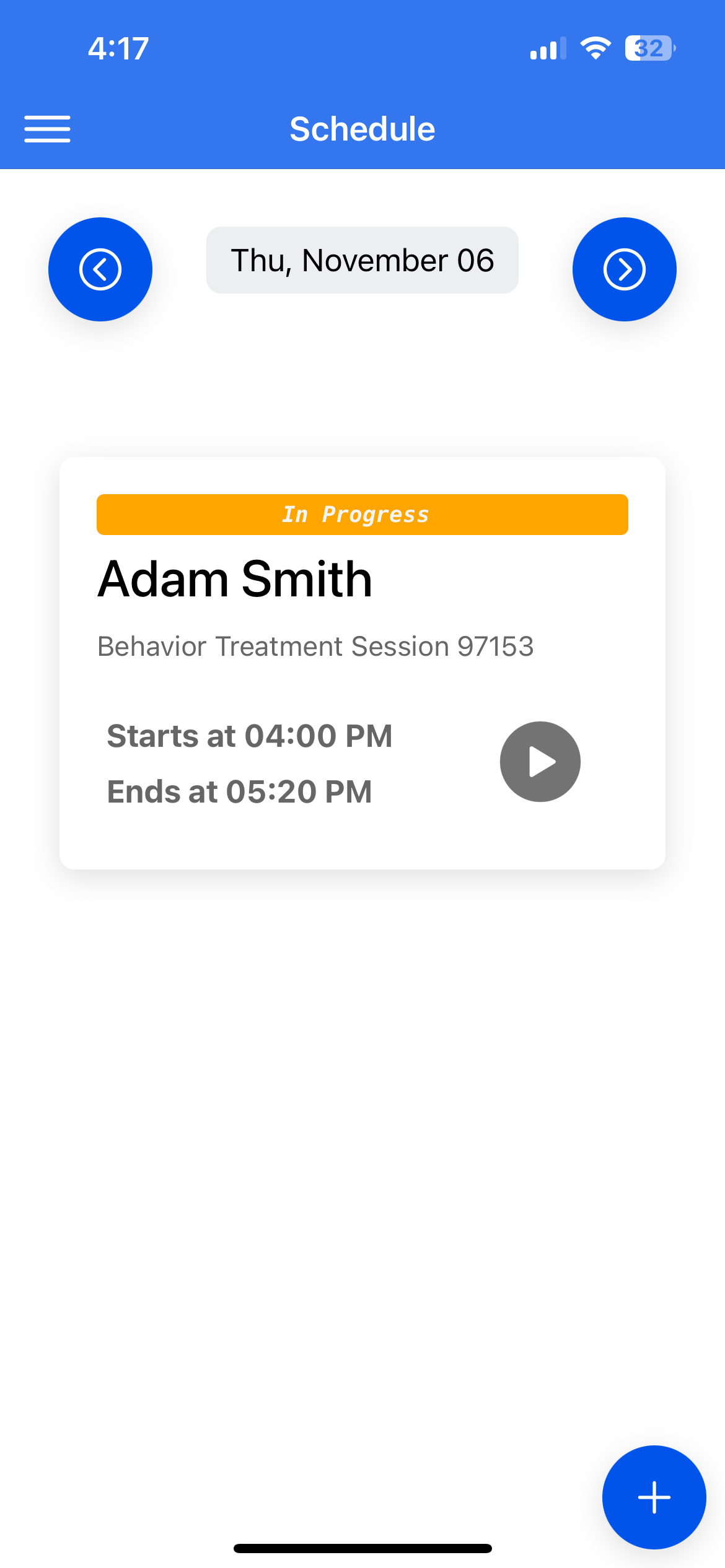
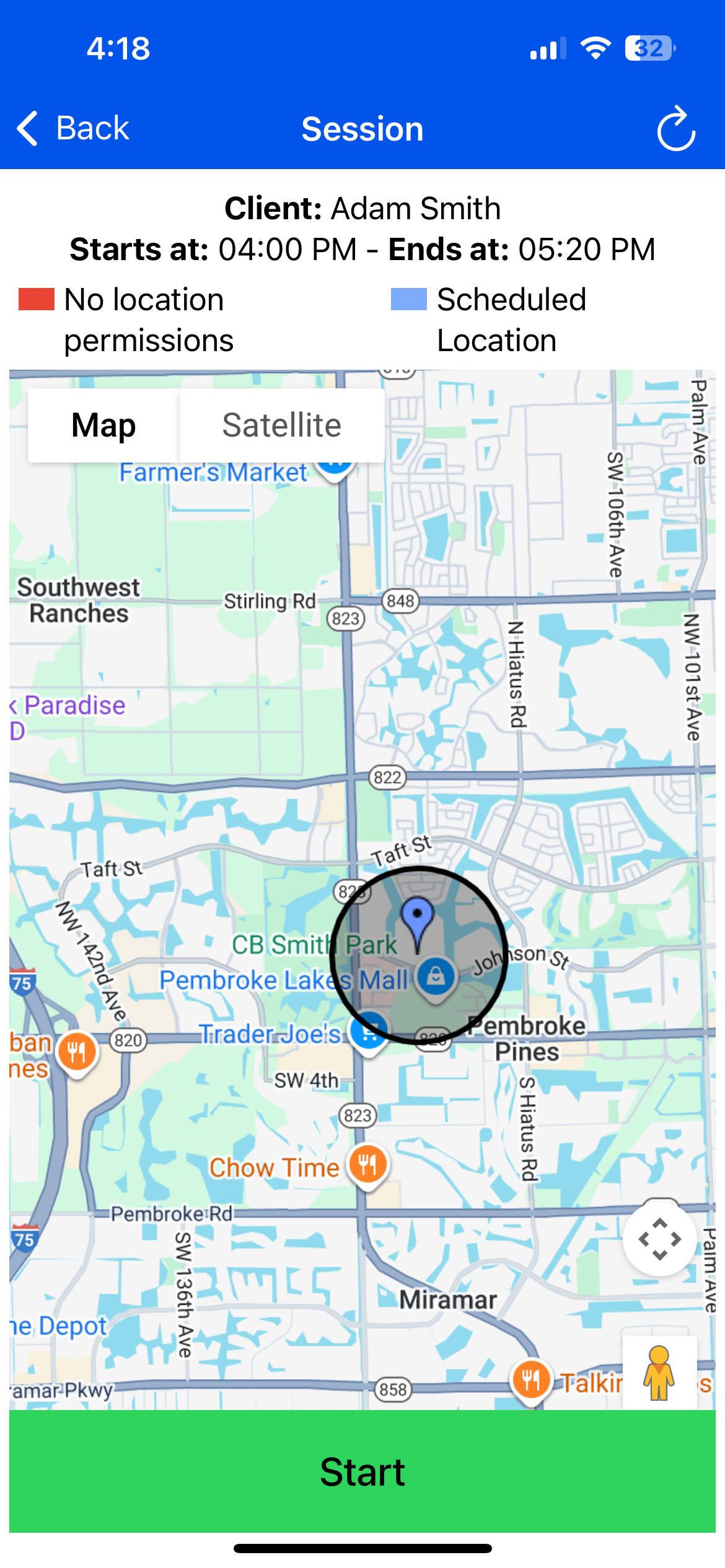
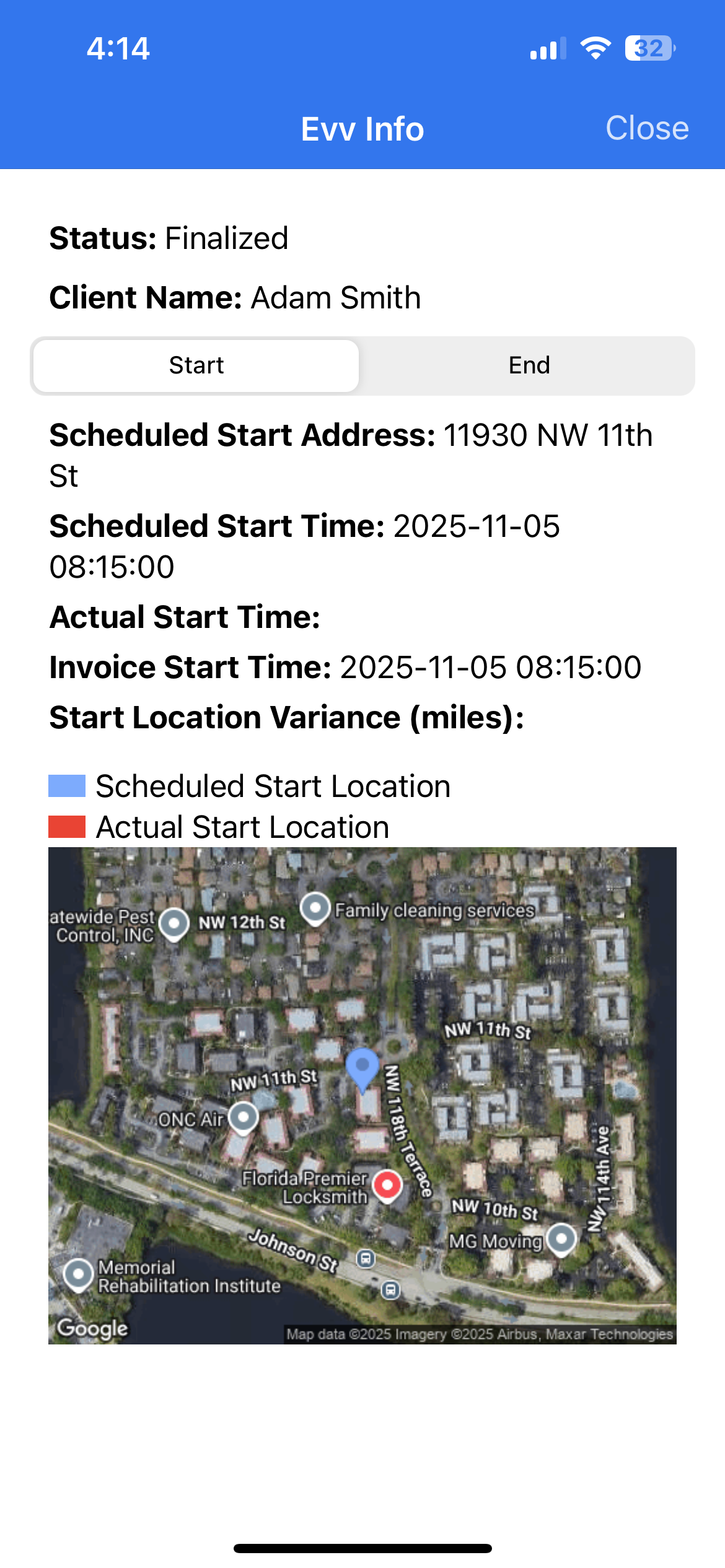
This gives providers a consistent way to record visits and office staff a clearer path from service delivery to billing.
What Can Your ABA Practice Do Now?
Start by reviewing how your team handles visit information today. Can staff easily compare scheduled and actual times? Who follows up on a missed clock-out? How are discrepancies resolved before billing?
Next, confirm current state and payer requirements, including any approved vendor, data submission, or system connection requirements. Use that information to evaluate your EVV process and software.
Finally, make the workflow clear for providers and office staff. Training should cover everyday clock-in and clock-out procedures, offline use, and what to do when something goes wrong.
The proposed legislation gives practices a reason to pay attention. The daily benefit comes from having a consistent process that keeps service delivery records connected and makes exceptions easier to manage.
Frequently Asked Questions
There is no blanket federal EVV requirement covering all ABA services. Current obligations depend on the state Medicaid program and payer. CMS recommends that states consider extending EVV to ABA, while proposed federal legislation would require electronic verification for Medicaid-funded ABA services.
The bill targets ABA services funded through Medicaid state plans or waivers. It does not establish an EVV requirement for every ABA session covered by commercial insurance or paid privately.
No. EVV verifies service details, but practices still need to review documentation, authorization, provider eligibility, and other applicable billing requirements. A completed EVV record is one part of that review.